
Ever had that annoying tire pressure light pop up on your dashboard, even after you’ve checked and inflated your tires? Yeah, it’s frustrating. You might wonder, “What now?” Don’t worry—I’ve got your back. Resetting the tire pressure light isn’t rocket science, but without the right guidance, it can feel like you’re fumbling around in the dark. I’ll walk you through the process step by step, so by the end of this, resetting that pesky light will be as easy as resetting your phone after a software update. So, buckle up—let’s dive into it!
Introduction to Tire Pressure Monitoring System (TPMS)
Let’s start with the basics. Your vehicle’s tyre pressure monitoring system (TPMS) is like the pleasant neighbour that usually lets you know when something’s off together with your tyres. Its foremost task? To warn you that your tire strain is decreased than recommended, which could lead to safety issues or reduced gasoline efficiency. Pretty cool, proper? Without TPMS, you’d have to constantly check your tyre pressure manually. Who has time for that?
Why Does the Tyre Pressure Light Come On?
Are you ever puzzled why that little light glows? There are a few motives; however, most generally, it occurs because one or more of your tyres have low air strain. Other times, it can be precipitated by using temperature fluctuations, specifically if it receives cold overnight. Just as you cut back into your comfy blankets in wintry weather, the air in your tyres shrinks, too, causing that pesky light to blink on. But don’t panic! In maximum instances, it’s an easy restore.
How to Check Your Tire Pressure
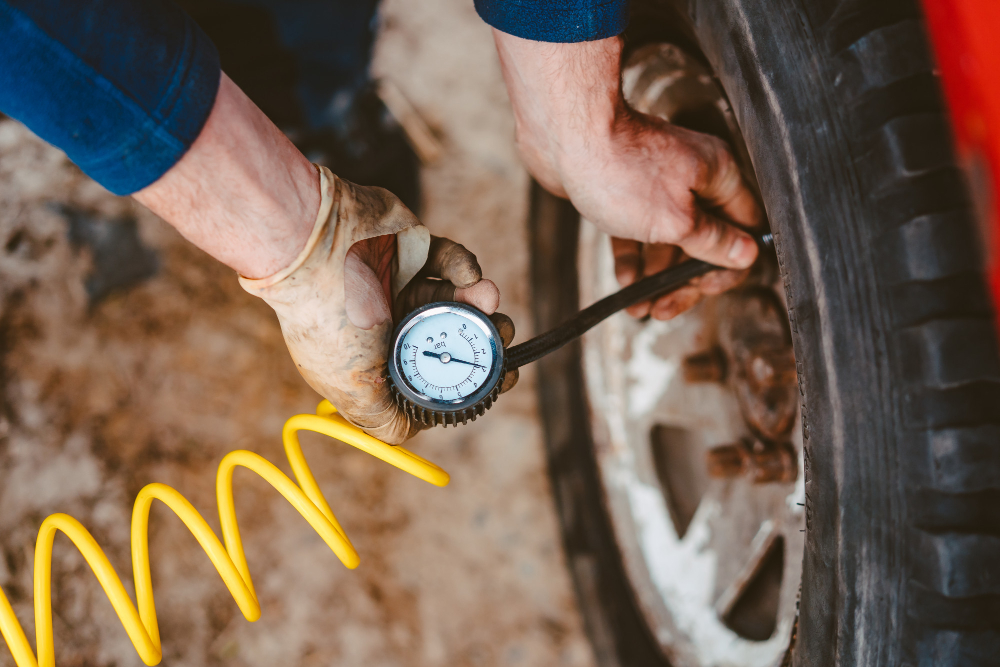
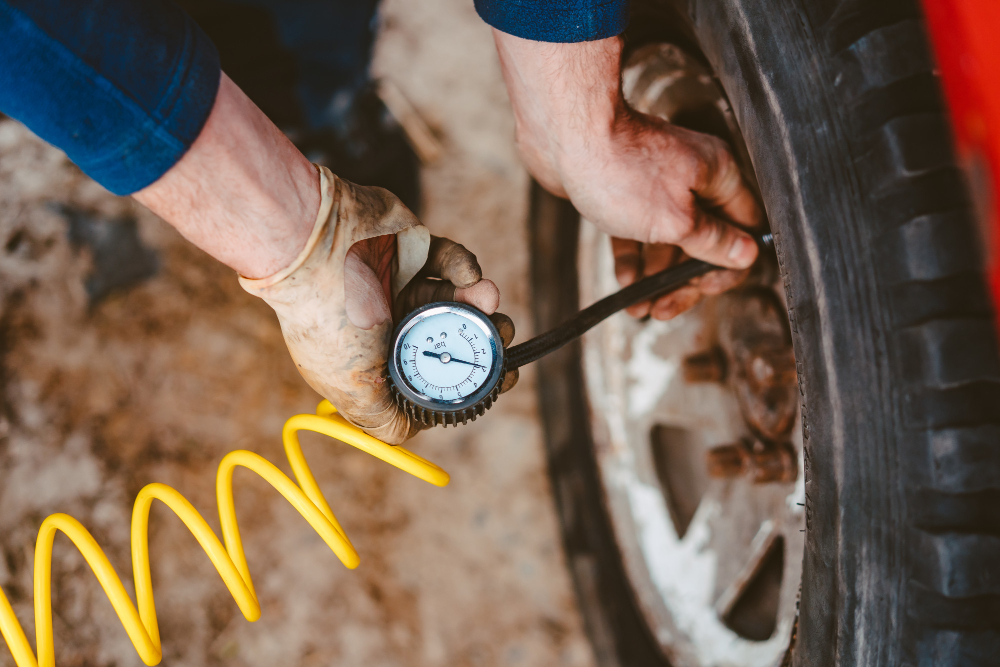
First, you want to test if the tyre stress is truly low. For this, you will want a tyre stress gauge. If you don’t have one, you may pick one up at any automobile components store or your local gas station.
- Remove the valve cap from the tyre.
- Place the stress gauge onto the valve stem and press firmly.
- Read the gauge. Compare it with the manufacturer’s advocated tyre stress, commonly observed on a decal inside your driving force’s door or within the proprietor’s guide.
Easy, proper? Now you realize whether your tyres want extra air.
How to Inflate Your Tires Properly
Once you’ve checked your tyre stress, it’s time to inflate. Most gasoline stations have air pumps available; a few are free to apply! Inflate your tyres to the advocated PSI (kilos in line with square inch) level.
Pro tip: Don’t over-inflate! Think of it like blowing up a balloon—you need enough air to make it firm. However, an excessive amount can cause it to pop. With your tyres, over-inflation can lead to a bumpy experience and faster tyre wear.
When to Reset the Tire Pressure Light
Okay, you’ve inflated the tyres—amazing! Now, when must you reset that light? If the mild remains on even after you inflate the tyres to the appropriate stress, you’ll want to reset the TPMS manually. You may need to reset it after rotating or replacing your tyres. It’s like hitting the refresh button for your laptop—from time to time, it matters that you want a reboot.
Step-through-Step Guide to Resetting the Tire Pressure Light
Method 1: The Manual Reset Button
Most motors have a reset button for the TPMS. You can commonly locate it below the guidance wheel or within the glove field.
- Turn your car on; however, don’t start the engine.
- Press and hold the TPMS reset button till the light blinks three times.
- Release the button and begin your automobile.
- Drive for approximately 20 mins for the sensors to recalibrate.
Method 2: Disconnecting the Car Battery
This technique is a bit extra drastic, but it works.
- Turn off your vehicle.
- Disconnect the terrible battery terminal using a wrench.
- Wait for approximately 10 mins before reconnecting the battery.
- Turn to your automobile and check if the mild has disappeared.
Method three: Driving to Reset
Sometimes, genuinely using your automobile will reset the machine. Take your vehicle for a spin at 50 mph for around 10 to 15 minutes, which should do the trick.
- Using Your Car’s Owner Manual
If all else fails, consider the energy of your automobile’s proprietor guide. This is where you’ll find the particular reset instructions for your make and model. Think of it as the treasure map for your car’s hidden secrets and techniques.
How Long Does It Take for the Light to Reset?
You might wonder, ” How long do I have to wait?” Depending on the reset technique you used, the light should flip off within a few minutes to an hour. If it doesn’t flip off right away, give it a while—think of it as letting your laptop reboot after an update.
What to Do If the Light Won’t Turn Off
I tried the whole thing, but the light didn’t burst off. It’s likely time to troubleshoot. Recheck your tyres or investigate the TPMS sensors for any harm. If nothing appears to work, it is time to seek advice from a mechanic or tyre specialist.
Tire Pressure Sensors Explained
These sensors are the brains at the back of the operation. They’re placed inside your tyre, attached to the valve stem. Their process? To measure the air pressure and send that info to your dashboard. It’s pretty high-tech for something hidden inside a tyre.
How to Protect and Maintain Your Tire Sensors
Keeping your tyre sensors in an accurate condition is vital to fending off needless light-ups. Check your tyre stress often and avoid complex influences that harm the sensors. No one likes a false alarm.
- Common Myths About Tire Pressure Lights
Do you always want new tyres when the light comes on? Not actual! Most of the time, it’s an easy stress adjustment that fixes the issue—and resetting the light? Well, that’s no longer a fix for actual tyre troubles—it’s simply resetting the machine after the problem is solved.
- Benefits of a Properly Working TPMS
Why trouble with resetting the mild? A properly running TPMS means you’ll have higher fuel performance, a longer tyre lifespan, and fewer surprise blowouts. It’s a win-win situation for both your pockets and your protection.
- When to Replace a Faulty TPMS Sensor
If your sensor is faulty, you may note the mild blinking or staying on even when your tyres are satisfactory. If that’s the case, it’s time for an alternative. It’s a piece of funding. However, it beats dealing with constant false warnings.
- Conclusion: Why You Shouldn’t Ignore Your Tire Pressure Light
Resetting the tyre strain mild might seem like a minor assignment, but it performs a significant function in maintaining your car jogging easily. Ignoring the light may result in more critical issues down the road, like a flat tyre or even a blowout. So next time the mild pops on, don’t sweat it—comply with those steps, and you’ll be lower back on the street in no time!
Frequently asked questions about How to Reset Tire Pressure Light
How long must I wait after resetting my tyre strain mild?
Depending on your technique, the mild has to flip off within a few minutes to an hour.
Can I power with mild tyre stress?
You can; however, it’s not encouraged. Low tyre strain can lead to terrible coping with and reduced gasoline performance.
What happens if I ignore my tyre pressure light?
Ignoring the mild should result in tyre harm, reduced gas economic system, and doubtlessly risky blowouts.
Why does my tyre pressure keep mildly rising even after resetting it?
This should suggest trouble with your TPMS sensors or a persistent issue with your tyre pressure.
How frequently have I checked my tyre stress?
Testing your tyre stress at least once a month or earlier than lengthy avenue journeys is an excellent idea.