
Why Checking Tire Pressure is Essential for Audi Owners
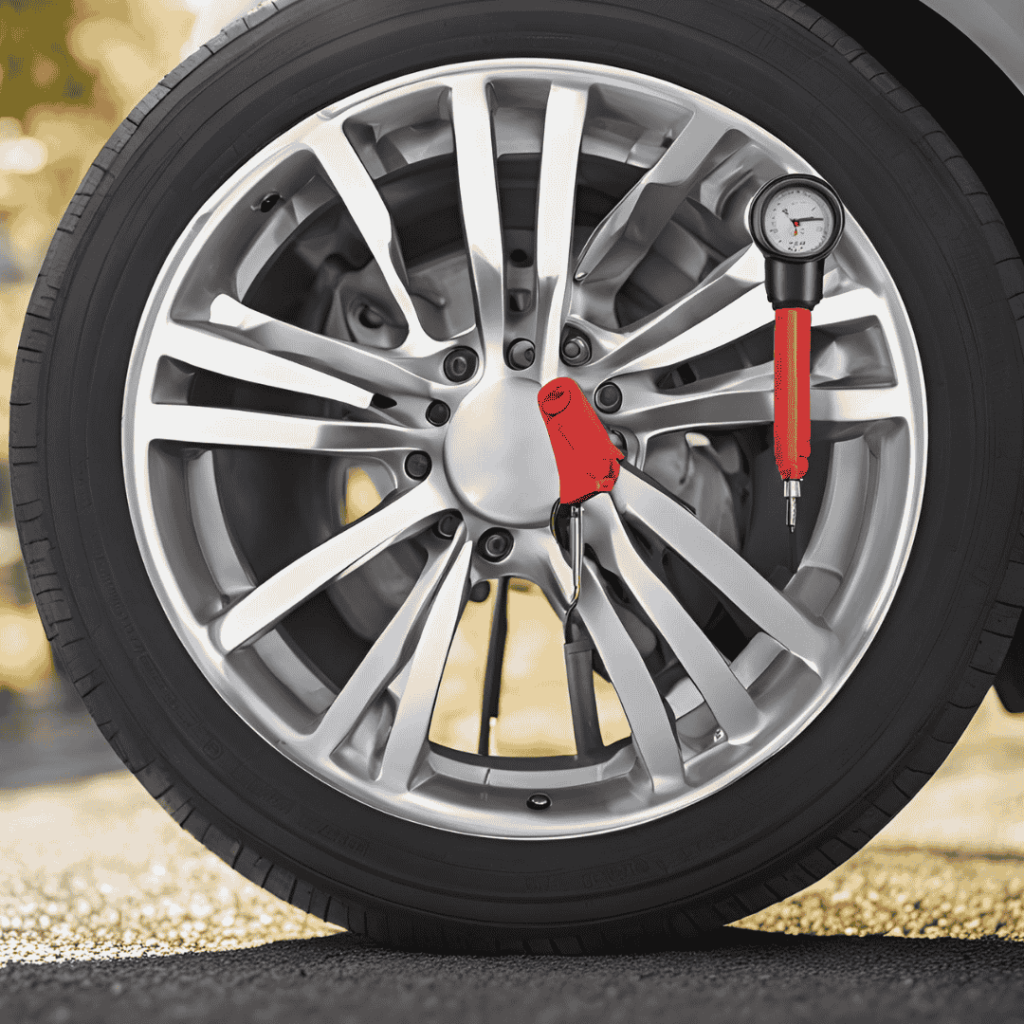
Your Audi is designed to deliver top-tier performance, luxury, and safety. But did you know that something as simple as tire pressure can greatly impact how well your Audi performs? Under- or over-inflated tires can affect your car’s handling, fuel efficiency, and safety. Checking your tire pressure regularly is a simple yet vital habit that helps keep your Audi in peak condition. Let’s go through a step-by-step guide on how to check tire pressure on your Audi to ensure a smooth, safe, and efficient ride.
Understanding Tire Pressure Basics
Tire pressure is the amount of air inside your tires, measured in pounds per square inch (PSI). Each car, including your Audi, has a specific PSI recommendation to ensure the best performance and safety. When your tire pressure is too low, it can increase fuel consumption and cause uneven tire wear. High tire pressure can make the ride uncomfortable and reduce traction, especially in wet conditions.
The Importance of Proper Tire Pressure
Why does tire pressure matter? Properly inflated tires help with handling, improve fuel efficiency, and increase the lifespan of your tires. Incorrect tire pressure, on the other hand, can lead to reduced control, especially during sharp turns or sudden stops. It’s a small detail, but maintaining the right tire pressure can save you from larger issues down the road.
When to Check Tire Pressure
For best results, check your Audi’s tire pressure at least once a month and before any long trips. Temperature changes also impact tire pressure—cooler weather can lower pressure, while hot weather can increase it. Keep an eye on your tires during seasonal changes for optimal performance.
What You’ll Need to Check Tire Pressure on Your Audi
Before getting started, make sure you have these essentials:
- Tire Pressure Gauge: Digital gauges are often more accurate, but analog gauges work as well.
- Air Compressor: Available at most gas stations or for purchase if you want one at home.
- Owner’s Manual or Door Jamb Sticker: For the recommended PSI for your Audi.
Step-by-Step Guide: How to Check Tire Pressure on Your Audi
Ready to get started? Checking your tire pressure is a quick process, especially if you follow these steps.
Step 1: Locate Your Audi’s Recommended Tire Pressure
The recommended PSI for your Audi’s tires is usually listed on a sticker in the driver’s side door jamb or in your owner’s manual. Knowing the correct PSI is crucial to ensuring safety and performance.
Step 2: Check the Tire Pressure When Tires are Cold
For the most accurate reading, check your tire pressure when the tires are cold, meaning the car hasn’t been driven for at least three hours. Driving heats up the tires, which can temporarily increase pressure, giving you an inaccurate reading.
Step 3: Use a Reliable Tire Pressure Gauge
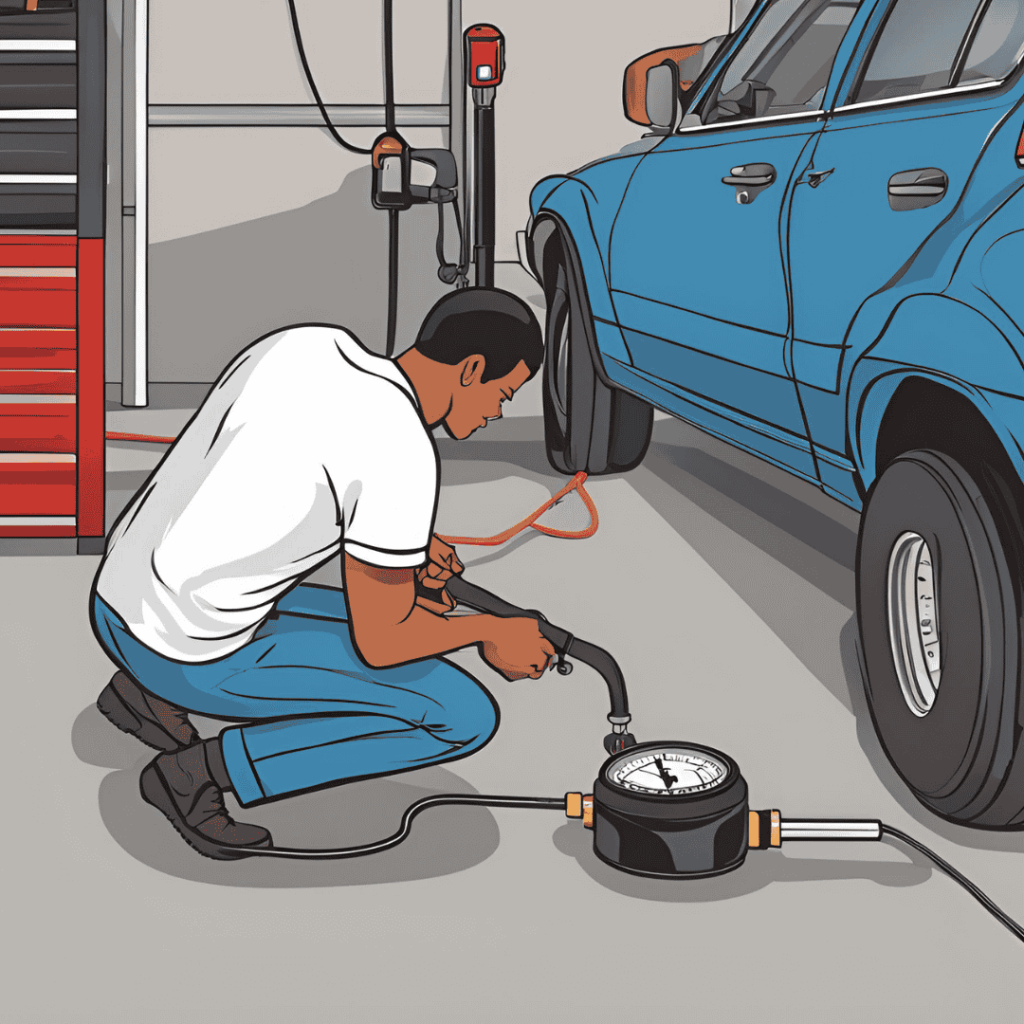
To measure the pressure, unscrew the cap on the valve stem of each tire. Press your tire gauge firmly onto the valve stem, ensuring no air escapes. The gauge will give you a PSI reading, letting you know if your tire pressure is within the recommended range.
Step 4: Compare Measured Pressure with Recommended Levels
Compare the reading on your gauge with the recommended PSI for your Audi. If your tires are under-inflated or over-inflated, it’s time to adjust.
Step 5: Adjust the Pressure as Needed
If your tires are under-inflated, use an air compressor to add air until you reach the recommended PSI. If they’re over-inflated, press down on the valve stem to release a bit of air. Check the pressure again after adjusting to ensure it’s spot on.
How to Use Your Audi’s Tire Pressure Monitoring System (TPMS)
Most modern Audis come equipped with a Tire Pressure Monitoring System (TPMS) that alerts you if tire pressure falls below recommended levels. While TPMS is convenient, it’s still essential to manually check your tire pressure occasionally, as TPMS may not alert you to minor but impactful pressure changes.
Common Mistakes to Avoid When Checking Tire Pressure
Even with a straightforward task like checking tire pressure, a few common mistakes can lead to inaccuracies:
- Checking tire pressure when the tires are warm
- Using a low-quality gauge
- Ignoring the PSI recommendations
Avoid these mistakes to ensure accurate readings and safe driving.
How Often Should You Check Tire Pressure?
Audi recommends checking tire pressure at least once a month. However, if you drive frequently or live in an area with significant temperature shifts, consider checking it more often.
Tips for Maintaining Proper Tire Pressure in Your Audi
To make tire maintenance easy, follow these simple tips:
- Set reminders: Mark your calendar for monthly checks.
- Keep a tire gauge handy: Stash one in your glove box.
- Regularly inspect tires: Keep an eye out for any visible damage, as this can affect pressure.
The Benefits of Regular Tire Pressure Checks
Regular tire pressure checks come with a range of benefits:
- Improved Fuel Efficiency: Proper tire pressure helps reduce rolling resistance, boosting fuel economy.
- Enhanced Safety: Correct tire pressure provides better control and handling.
- Longer Tire Lifespan: Properly inflated tires wear evenly, helping them last longer.
By checking your tire pressure regularly, you not only keep your Audi performing at its best but also protect your investment in quality tires.
Conclusion: Keep Your Audi Performing at Its Best
Checking your Audi’s tire pressure is a small task with big benefits. From safety to fuel efficiency, proper tire pressure enhances every aspect of your driving experience. By following these steps and making tire maintenance a habit, you’re helping your Audi stay at the top of its game, mile after mile. So, the next time you’re preparing for a drive, remember that a quick tire pressure check can make all the difference.
FAQs on How to Check Tire Pressure in Audi
How often should I check tire pressure on my Audi?
Aim to check your Audi’s tire pressure once a month or before long road trips. Frequent checks ensure your tires are always at the optimal PSI.
Does Audi’s TPMS eliminate the need for manual checks?
While the TPMS is helpful, it only alerts you when the pressure drops significantly. Regular manual checks are still important for catching minor fluctuations that can impact performance and safety.
What’s the ideal tire pressure for Audi models?
The ideal tire pressure varies by model, but most Audi vehicles require between 32-35 PSI. Check your owner’s manual or the door frame sticker for your model’s specific recommendation.
Is it okay to check tire pressure when tires are warm?
Checking tire pressure when tires are warm can give inaccurate readings. For the best results, check them when they’re cold, such as in the morning.
Can I use a gas station air pump to check tire pressure?
Yes, you can, though it’s recommended to have your own gauge for accuracy. Gas station gauges may not always be reliable due to frequent use and calibration issues.