

Winter driving—let’s be honest—can feel like you’re tiptoeing on an icy tightrope. Slippery roads, hidden patches of black ice, and sudden snowstorms make every drive a potential adventure, sometimes the kind we’d rather avoid! But fear not; automotive tire studs are here to help. Designed specifically to tackle the treacherous conditions of winter roads, these tiny metal heroes add serious grip and control to your tires, giving you a confidence boost whenever the mercury drops.
Whether you’re an experienced winter driver or new to snowy roads, understanding automotive tire studs is key to safe, controlled driving this winter. So, what are they, how do they work, and are they right for you? Let’s dig into everything you need to know about automotive tire studs and how they can make winter driving a breeze—or at least a little less stressful.
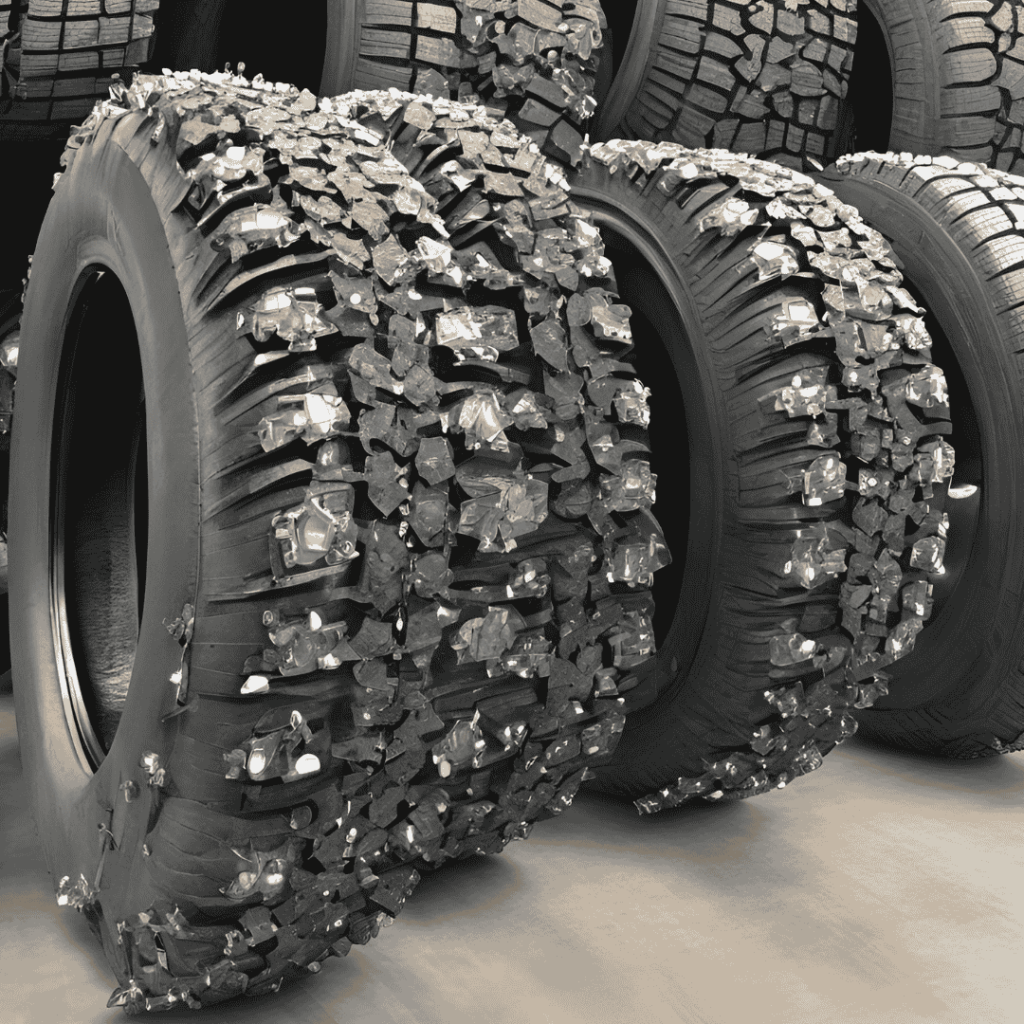
What Are Automotive Tire Studs?
Let’s be honest, winter roads can feel like an obstacle course, especially when they’re icy or covered in snow. And when your car slides a little too much, you begin to wish you had a better grip. This is where automotive tire studs come into play! These tiny yet powerful metal inserts give your tires a serious upgrade, allowing you to maintain traction when roads get slick. In this article, we’re going to explore everything there is to know about tire studs—what they are, how they work, and whether or not they’re worth the investment.
Why Use Tire Studs? The Need for Extra Grip
Imagine this: it’s a freezing cold winter morning, and the roads are slick with ice. You’re driving, and suddenly your car starts to slide. It’s not fun, right? Tire studs offer a solution. They dig into icy or snow-covered surfaces, giving your tires the traction they need to grip the road. The reason you’d want them is simple—better control and stability, especially in extreme weather conditions. In short, tire studs make driving safer and more confident during winter months.
How Automotive Tire Studs Work
The magic behind tire studs lies in their design. These studs are small metal pins that are inserted into the tread of your tires. When you drive over icy or snow-packed roads, the metal part of the stud digs into the surface, providing extra grip. Think of them as little anchors holding your car steady on slippery surfaces. The studs are designed to last and only come into play when needed, giving you that extra layer of security in tricky conditions.
Types of Tire Studs
Not all tire studs are created equal. They come in various shapes, sizes, and materials, each suited to different driving conditions. Here are the most common types:
- Carbide Studs: These are known for their durability and are often used in extreme conditions. They’re built to last and offer exceptional performance on ice.
- Steel Studs: Steel studs are commonly found in more affordable tire options and offer a good balance of performance and cost.
- Tungsten Studs: Tungsten is even harder than carbide, making these studs ideal for severe winter conditions where the roads are covered with solid ice.
Choosing the right stud depends on your typical driving conditions and the type of winter weather you face.
Are Tire Studs Legal? The Laws Around Them
Before you rush to get tire studs installed, you might want to check your local laws. In some areas, tire studs are regulated due to the potential damage they can cause to road surfaces. Some regions allow them only during certain months or under specific conditions, while others outright ban them. It’s essential to know the rules in your area to avoid fines or penalties. Always check local guidelines to ensure that you’re driving legally.
Benefits of Using Automotive Tire Studs
Tire studs offer several benefits, especially for people living in colder climates. Here are a few key advantages:
- Improved Traction: Studded tires provide unmatched grip on icy roads.
- Safety: With better traction, you reduce the risk of accidents due to slipping or sliding.
- Confidence: Driving on snow-covered or icy roads becomes less stressful because you know your tires will hold firm.
- Durability: Tire studs are durable and can handle the toughest winter conditions, from snowstorms to freezing rain.
The confidence these benefits offer can make a huge difference in your driving experience.
Potential Drawbacks of Tire Studs
While tire studs come with numerous benefits, they’re not without their downsides:
- Road Damage: Tire studs can cause wear on road surfaces, especially when driving on bare pavement.
- Noise: Some drivers report that tire studs create a loud noise on dry pavement.
- Limited Use: Studded tires are primarily useful in winter conditions, which means you may not get much use out of them during warmer months.
- Cost: Tire studs and the installation process can be a bit pricier than standard tires.
Before deciding, weigh these drawbacks against the benefits and think about how often you’ll be driving in conditions that require extra traction.
How to Install Automotive Tire Studs
Installing tire studs requires some specialized equipment, but it’s not an impossible task for those who enjoy DIY projects. Here’s a basic breakdown of the process:
- Prepare the Tires: First, remove your old tires (if you’re swapping them out) and prepare the tire studs.
- Use a Stud Gun: A stud gun is used to insert the studs into the tire. This tool helps position the studs correctly and ensures they are properly secured.
- Inspect for Placement: After installation, make sure the studs are evenly spaced across the tread for optimal performance.
- Balance the Tires: Ensure the tires are balanced before mounting them back on the car to prevent any vibration or uneven wear.
If you’re not into DIY, many shops can install tire studs for you—just be sure to ask about pricing.
How to Choose the Right Tire Studs for Your Vehicle
Choosing the right studs depends on a few factors:
- Driving Conditions: Consider how often you’ll encounter icy or snowy roads.
- Tire Type: Make sure the studs are compatible with your vehicle’s tires.
- Local Regulations: As mentioned earlier, some areas have laws regulating the use of tire studs.
- Budget: While carbide and tungsten studs are top-notch, they come at a higher price.
Think about your driving needs and pick the tire studs that will best suit your lifestyle.
Winter vs. All-Season Tires: Do You Need Tire Studs?
While all-season tires are designed to handle a variety of conditions, they don’t provide the same level of grip on ice and snow as winter tires with studs. If you’re in a region where winter weather is harsh, tire studs could be the extra layer of security you need. Winter tires already have a tread pattern designed for snow and ice, but studs enhance that performance even more.
How Long Do Tire Studs Last?
Tire studs aren’t designed to last forever. They typically last through several winters, but their effectiveness diminishes as they wear down. On average, you can expect your tire studs to last 2-4 winters, depending on driving conditions and how much road contact they have. After that, the studs might need replacing to maintain the same level of traction.
The Science Behind Tire Studs and Traction
The effectiveness of tire studs boils down to physics. The studs provide additional traction by digging into the ice, which creates friction. This extra contact prevents the tire from sliding, offering more control over your vehicle. The sharper and harder the stud, the better it will penetrate icy surfaces for a stronger grip.
Tire Studs and Road Wear: Environmental Considerations
One of the most significant concerns with tire studs is the damage they can cause to road surfaces. Studs can grind down asphalt over time, leading to grooves and rough surfaces. In areas with extensive stud use, the long-term road damage can be a real concern. Some regions are working on alternatives, such as using more durable road materials to counteract this effect.
Are There Alternatives to Tire Studs?
If you’re not keen on tire studs, there are alternatives like tire chains or non-studded winter tires. Chains can provide excellent traction in heavy snow and ice, but they can be cumbersome. Non-studded tires are quieter and less damaging to roads but don’t offer the same level of traction on ice as studded tires.
Customer Reviews on Automotive Tire Studs
Customer feedback on tire studs is generally positive, with most people agreeing that they offer unparalleled performance in winter conditions. However, there are complaints about road noise, especially on dry or clear roads. As with any product, it’s a good idea to read reviews and weigh the pros and cons before making your decision.
Conclusion: Are Automotive Tire Studs Worth It?
If you’re facing a harsh winter with icy roads and unpredictable weather, automotive tire studs are worth considering. They provide unbeatable traction, help you maneuver corners safely, and cut down on your braking distance when you need it most. While they may require some upkeep and aren’t ideal for dry pavement, the safety benefits on icy roads are well worth it.
From choosing the right type of stud to maintaining your tires throughout the season, a little knowledge goes a long way. So, the next time winter rolls around, you can rest easy knowing that your tires are ready to grip the road, no matter what Mother Nature throws your way.
FAQs About Automotive Tire Studs
How long do tire studs typically last?
Tire studs usually last one to two winter seasons, depending on how often you drive and the road conditions. Driving on ice will keep them in good condition longer, while dry pavement wears them down faster.
Are studded tires noisy?
Yes, they can be noisier than regular winter tires, especially on dry roads. However, many drivers find the added safety worth the noise.
Can I add studs to any winter tire?
No, only “studdable” tires can be fitted with studs. Check with your tire manufacturer or retailer to make sure your tires are compatible.
Are automotive tire studs safe for highway driving?
Yes, but avoid high speeds on dry roads. Studs are designed for ice, and high-speed driving on bare pavement can wear them down or even cause them to come loose.
How do I know when to replace my tire studs?
If you notice that some studs are missing or heavily worn, it’s time to replace them. Loose or missing studs reduce the effectiveness of your tires, especially in extreme winter conditions.